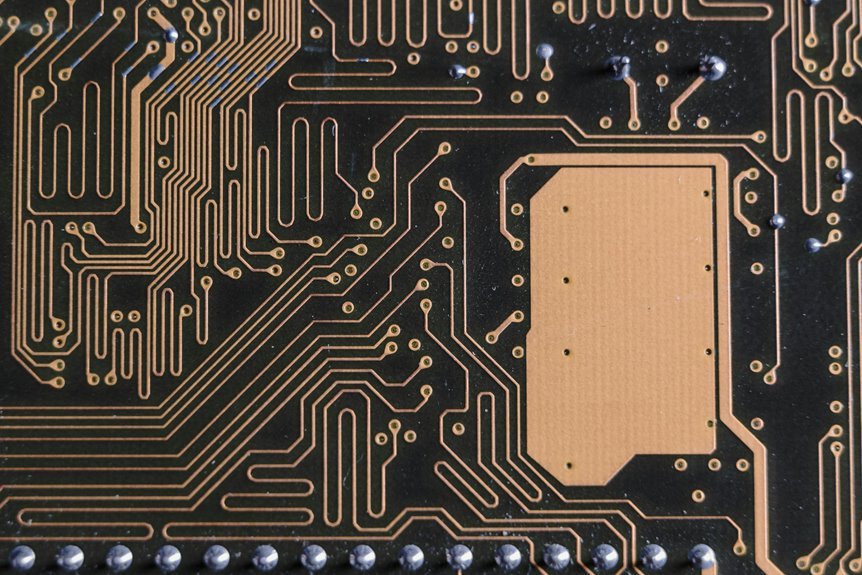
Signal Integrity Report: 2477716193, 788549047, 114421500, 963807177, 933324378, 927331856

The Signal Integrity Report presents a comprehensive analysis of various designs, emphasizing critical factors affecting signal fidelity. It identifies advanced noise reduction techniques and systematic approaches as vital to minimizing signal degradation. The report also underscores the relationship between design choices and interference susceptibility. Engineers and designers are prompted to consider these findings seriously. The implications of these insights could significantly impact performance outcomes, raising questions about current practices and future methodologies.
Overview of Signal Integrity Factors
As electronic systems increasingly demand higher speeds and greater data integrity, understanding the factors influencing signal integrity becomes paramount.
Key aspects include signal propagation characteristics, which dictate how signals travel through various media. Effective noise reduction strategies are essential, as they mitigate interference that can distort signals.
Key Findings From the Signal Integrity Report
The analysis of the Signal Integrity Report reveals several critical findings that underscore the importance of systematic approaches in mitigating signal degradation.
Key observations indicate that implementing advanced noise reduction techniques significantly enhances signal fidelity.
Additionally, the report highlights the correlation between design choices and the susceptibility to interference, reinforcing the necessity for engineers to prioritize these factors in their methodologies for optimal performance.
Implications for Engineers and Designers
Findings from the Signal Integrity Report indicate that engineers and designers must adopt a proactive stance when addressing signal integrity challenges.
Essential design considerations include the integration of robust testing methodologies to identify potential issues early in the development process.
Recommendations for Optimizing Signal Quality
To optimize signal quality, engineers must implement a series of strategic design practices.
Prioritizing impedance matching minimizes signal loss across transmission lines. Employing effective grounding techniques enhances noise reduction, while careful PCB layout prevents interference.
Conclusion
In the realm of signal integrity, the delicate dance between design and performance resembles the interplay of light and shadow. Each engineering choice acts as a brushstroke, shaping the final masterpiece of signal fidelity. The Signal Integrity Report serves as both a compass and a mirror, reflecting the critical need for vigilance against interference and degradation. By embracing advanced techniques and best practices, engineers can illuminate the path toward optimized signal quality, forging connections that transcend mere functionality.